All Categories
Featured
Table of Contents
Is it the number of impressions, post engagement or the quantity of traffic coming to your site? Setting clear goals makes sure that both the brand and the influencer are working towards a typical function.
Establishing clear expectations and efficiency benchmarks makes influencers feel accountable. They know the results they need to supply and will focus on developing content that lines up with those objectives. FTC influencer standards requires disclosures for brand partnerships for preserving openness and structure audience trust. Comprehending these guidelines helps brand names and influencers remain on the right side of the guidelines.
It's entirely possible an influencer has millions of passive fans but very low engagement. Instead, partner with influencers with an engaged and loyal audience.
A simple repair is to properly research the influencer of your choice, before signing a collaboration. Here are crucial considerations when investigating influencers: Look at the topics an influencer goes over often, the influencer's engagement rate, the tone of voice they utilize and the type of content they create.
Developing a Data-Driven Strategy and Long-Term Success
Forced partnerships can appear insincere and hurt both your campaign and brand image. Collaborate with influencers who genuinely love your brand and items. Their fans trust them for a reason, and you do not desire your brand name to get in the method of their (and your) credibility. Has the influencer dealt with other brands in the past? Have they ever worked with your rivals? Carefully inspect their material to spot any warnings and evaluate the worth they can offer.
Your brand, and your audience, want to feel great about the collaborations you pursue. Study the influencer's fans to ensure your campaign reaches the right audience. Evaluate elements like age, gender and, area and interests (e.g., Millennials who identify as women) to identify if they're likely to become your consumers.
Winning Content Strategy for Online StoresWhat is your brand and what product/s are you selling? Who is your target audience? Consist of an audience persona if you have one.
Don't forget to inform influencers of any words or ideas to prevent in their material. For instance, if you're an eco-friendly brand, let the influencer know that sustainability is a core value and they need to avoid utilizing plastic and other such items in their content. While detailed briefs are very important, there's such a thing as too much information.
How to Grow Influencer Marketing ROI
You don't need to dictate the influencer's exact words or actions. Doing so can stifle the influencer's innovative flexibility, resulting in content that looks scripted and inauthentic.
Keep in mind, influencers are the professionals in creating content their audience enjoys and trusts. Your brand just needs to support them with resources they need to create great material for efficient influencer marketing. Establishing clear expectations in advance allows a smooth, productive cooperation. The outcome? A successful campaign lined up with your objectives.
Increasing Shop Traffic through Strategic ContentAlso, define the needed deliverables, such as the number of posts, stories or videos the influencer needs to produce. Concur on the payment structure, whether it's a one-time charge, continuous retainer or performance-based compensation. Go over the payment schedule and any extra terms, such as bonuses for exceptional performance or penalties for missed out on due dates.
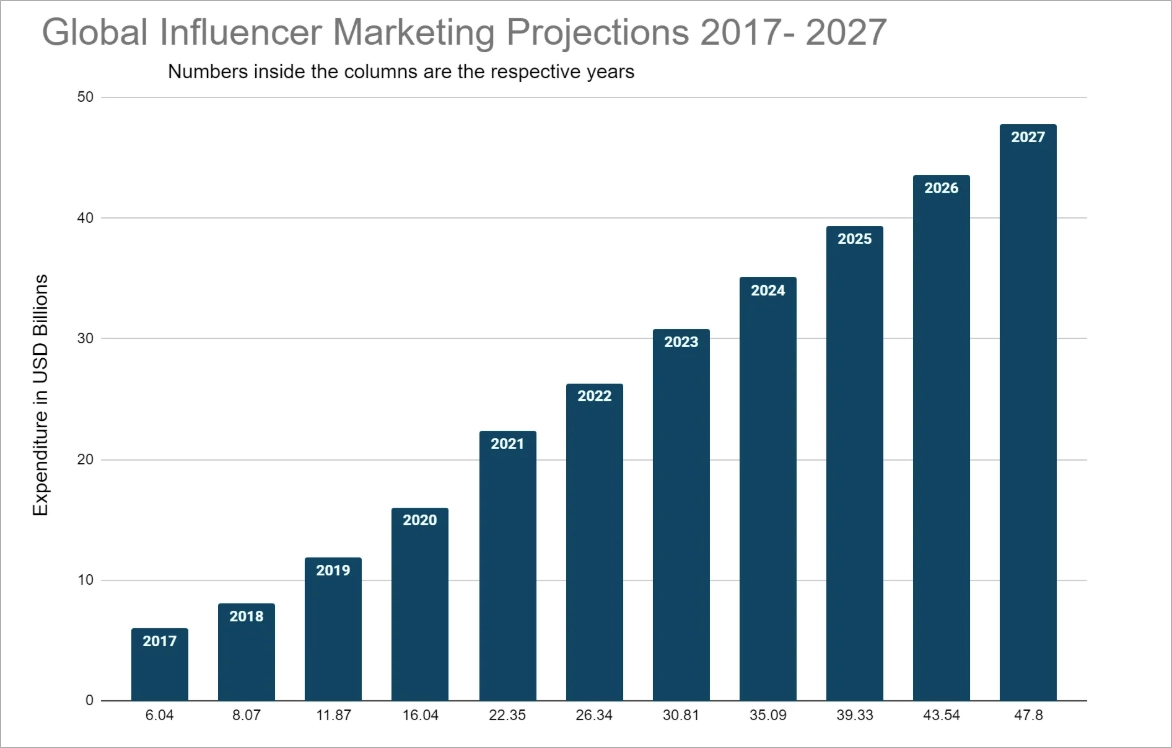
Focusing only on conversions and revenue information can mislead brands into thinking their projects are not working. Here are some other metrics to think about when determining the effect of your campaigns: Evaluate likes, comments, and shares to understand content resonance and audience interaction. Procedure views, clicks and site traffic to determine campaign reach and audience interest.

Latest Posts
Can Predictive Analytics Optimise Your Performance?
How to Scale the Buyer Lifecycle Tactics
Leveraging Digital Analytics to Drive Scaled ROI